Collaborative story written for Reporting class with three other student in Spring 2015. All photos accompanying the story were shot by me.
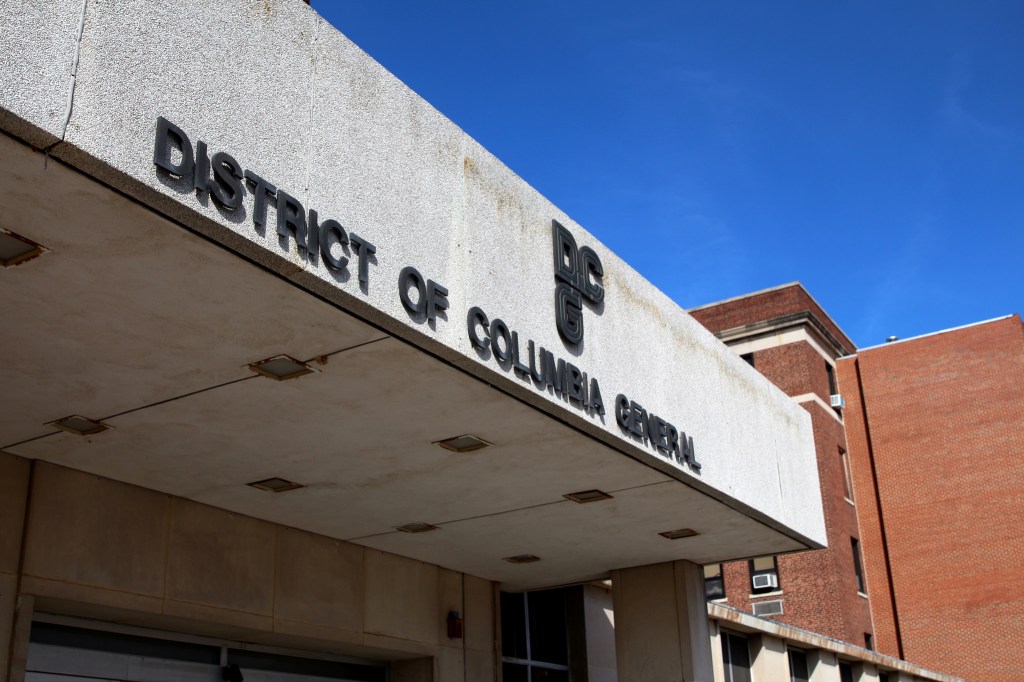
Just a 15-minute walk from the home of U.S. lawmakers and the political elite: Welcome to the former D.C. General Hospital, the District’s largest shelter for the homeless.
At the Southeast end of Massachusetts Avenue near the Anacostia River, the seven-storied shelter shares land with an operating jail, a clinic for meth rehabilitation and sexually transmitted diseases and the former city morgue. The exterior of the 90-year-old building is rundown, and the windows are sealed, some boarded with wooden planks.
D.C. General has received increased attention since 8-year-old Relisha Rudd left the shelter with a maintenance worker and never returned. She is still missing and is presumed dead; 14 complaints between 2012 and 2014 have been filed against shelter employees. Residents allege that they have been sexually assaulted by shelter employees, had their photos taken while showering and have been offered money for sex.
The shelter has also been a hot topic in D.C. politics for more than a decade, with mayors and city officials campaigning to close the shelter since its establishment in 2001. New Mayor Muriel Bowser is focusing on lowering the city’s homelessness rates and closing D.C. General, too. She recently proposed raising D.C.’s sales tax to finance her plan to combat homelessness.
“We have to close D.C. General, and we have to end homelessness, and the additional revenue will allow us to do that,” Bowser told The Washington Post.
Bowser’s plan includes creating hundreds of permanent units for almost 12,000 chronically homeless individuals and constructing several new neighborhood shelters designated for families who now live in D.C. General.
But, for now, living in the shelter is still the reality for 260 families.
 Lindsay Maizland
Leave a comment