Q&A with a humanitarian aid expert published on Vox.com’s website when I interned with their Foreign team in Spring 2017.
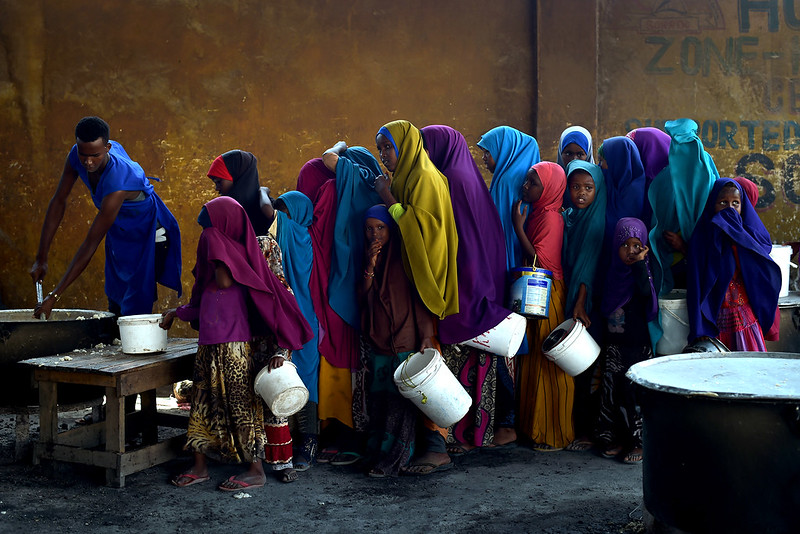
More than 20 million people in Somalia, South Sudan, Nigeria, and Yemen currently don’t have access to enough food and water to survive. The United Nations has already officially declared a full-fledged famine in parts of South Sudan and is warning that if “prompt and sustained humanitarian intervention” doesn’t happen soon, the three other countries could soon cross that threshold as well.
Unfortunately, that kind of intervention probably won’t be coming anytime soon. That’s because the primary causes of food insecurity in each of these four countries are ongoing violent conflict and a lack of humanitarian aid funding. Compared to natural disasters like drought, problems like conflict and aid funding are much harder to solve because of the difficulty in providing assistance and addressing root causes.
And it’s happening right as the Trump administration is dramatically rethinking the US’s role as a key provider of international assistance and proposing massive funding cuts to things like humanitarian food aid and UN peacekeeping.
I sat down to talk about the famines with Michael Bowers, the vice president of humanitarian leadership and response for Mercy Corps, a humanitarian aid agency operating in 40 countries around the world, including Somalia, South Sudan, Nigeria, and Yemen. He was in Washington to address Congress about what’s being called East Africa’s “quiet famine” — one impacting tens of millions of people.
“We want to reduce that number and eliminate famine. It’s entirely avoidable,” Bowers said. “It’s entirely a manmade construct right now, and that means we have it within our power to stop that. Wars are hard to stop, famines are not.”
 Lindsay Maizland
Leave a comment